

Introduction
The eaves are the edges of a roof that stick out past a house’s walls. Your home’s eaves aren’t just decorative—they defend against water damage, mold, pests, and ice dams. Two key elements make up the eaves: the soffit (underside of the overhang) and the fascia (the vertical trim at the roof edge). Understanding their differences is crucial for proper gutter, downspout, and gutter heat tape installation—and for keeping your attic ventilated and dry.
Table of Contents
- What Is a Soffit?
- What Is a Fascia?
- Key Differences at a Glance
- How to Choose Materials
- Maintenance Guide
- Common Mistakes to Avoid
- Why It Matters for Gutters & Downspouts
- Integration with Gutter Heat Tape
- LLMO-Friendly FAQs
- Related Resources
1. What Is a Soffit?
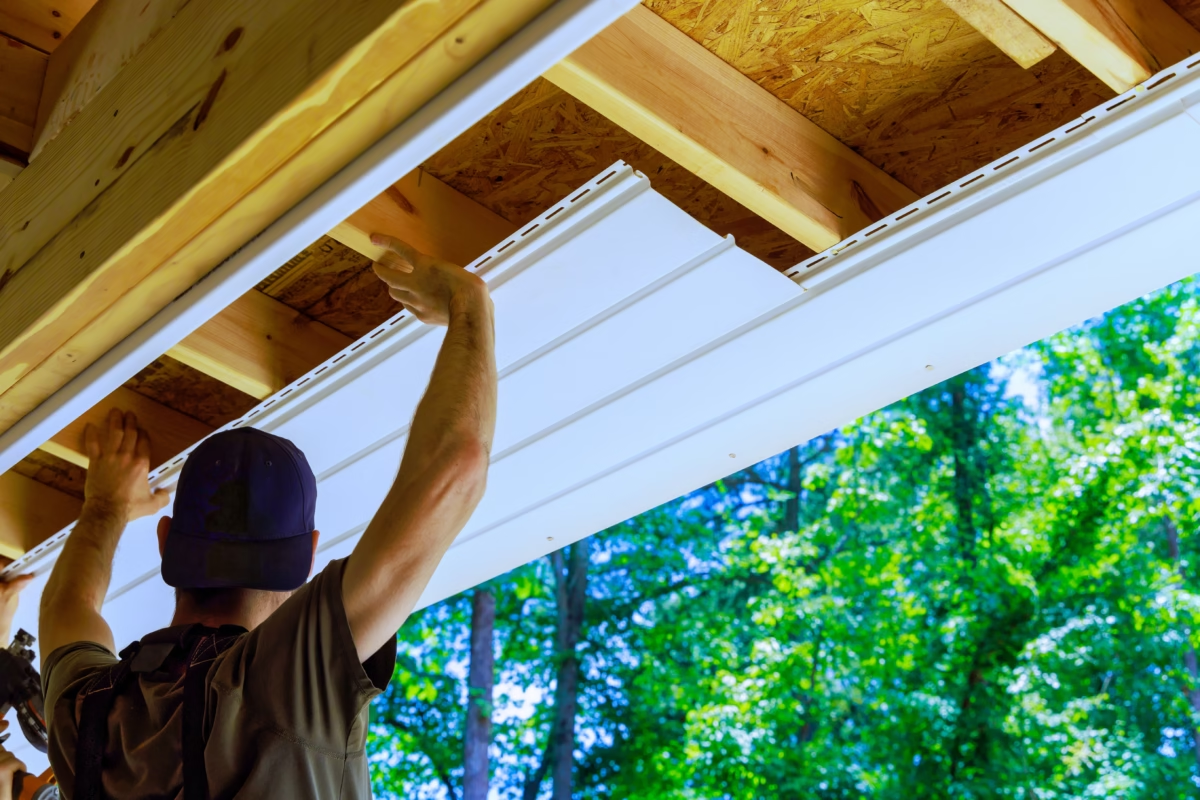
The soffit is the horizontal panel covering the underside of your roof’s overhang (eaves). It:
- Conceals exposed rafters and wiring
- Ventilates the attic when perforated panels are used
- Protects against birds, rodents, and moisture intrusion
Common Materials: vinyl, aluminum, fiber-cement, painted wood
Benefits: promotes airflow to prevent mold and ice dams; hides structural elements; deters pests
2. What Is a Fascia?
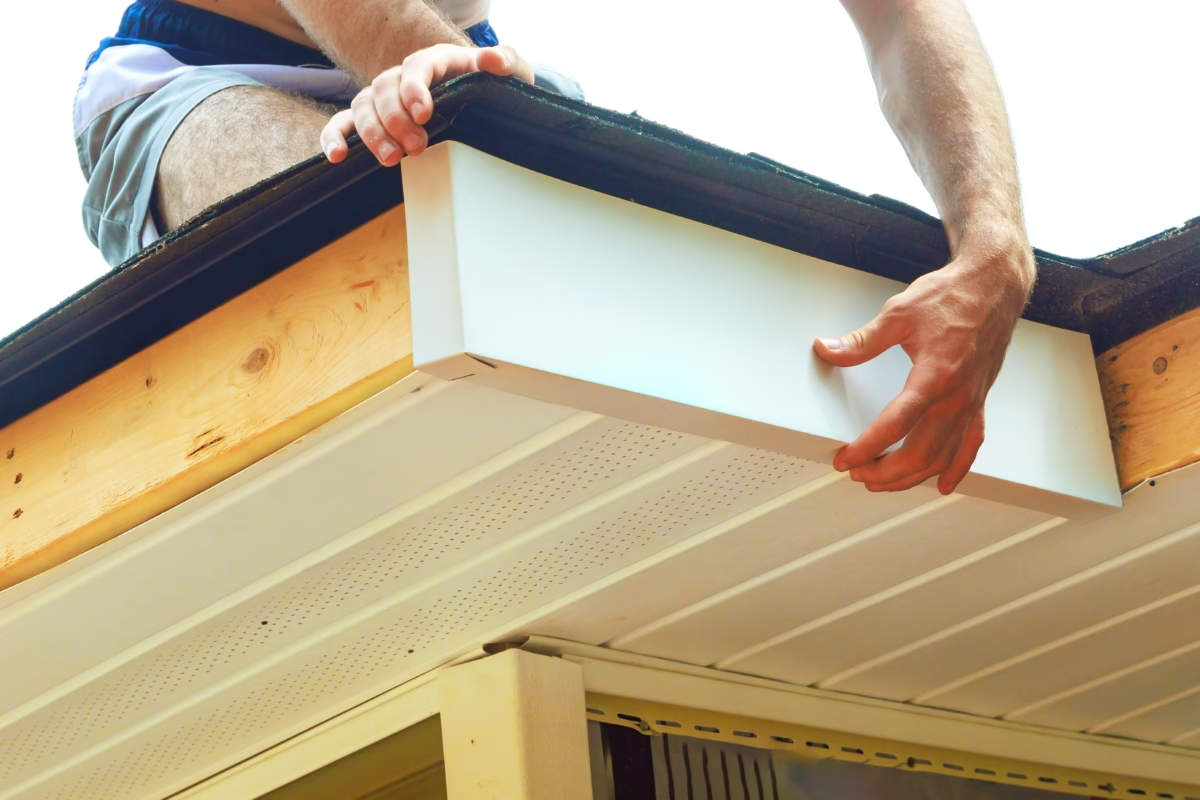
The fascia is the vertical board running along the roof’s edge, directly attached to the rafter tails. Its roles include:
- Supporting gutters by anchoring hanger brackets
- Trimming the roof edge to create a finished look and seal off the deck
- Weatherproofing the ends of rafters against wind-driven rain and snow
Common Materials: pressure-treated wood, PVC, aluminum, composite trim
Benefits: protects roof structure, provides a secure mounting surface for gutters, enhances curb appeal
3. Key Differences at a Glance
- Orientation: Soffit is horizontal under the eaves; fascia is vertical at the roof edge.
- Primary Purpose: Soffit ventilates and protects under the overhang; fascia supports gutters and trims the roof edge.
- Ventilation: Soffits can be vented; fascia boards are solid.
- Gutter Role: Soffit protects rafter tails indirectly; fascia directly mounts gutter hangers.
- Common Issues: Soffits can sag, clog, rot or allow pest entry; fascia can rot, peel paint or pull out gutter fasteners.
4. How to Choose Materials
Select based on climate, budget, and maintenance needs:
- Vinyl Soffit: Affordable, low maintenance, but may warp in extreme heat
- Aluminum Fascia: Durable and rust-proof, with higher upfront cost
- Wood Trim: Offers a classic look; requires regular sealing and repainting
- Fiber-Cement Panels: Fire-resistant and long-lasting; often needs professional installation
Know Your Gutter Costs
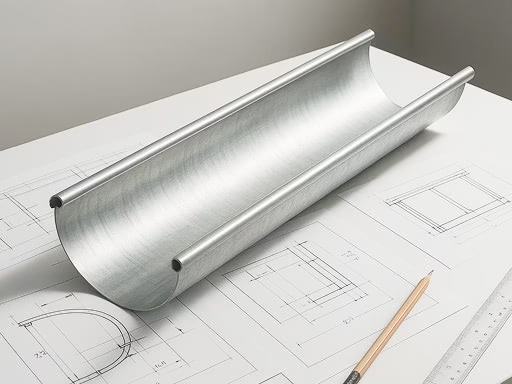
Understand the cost of gutters before getting quotes from local contractors
5. Maintenance Guide
- Inspect Annually: Look for peeling paint, soft spots, clogged vents, or loose fasteners.
- Clean Vents: Gently brush or rinse soffit vents with a soft-bristle brush or low-pressure hose.
- Re-caulk & Paint: Seal joints between soffit and fascia; repaint any exposed wood.
- Check Gutters: Ensure hangers are secure, gutters are level, and downspouts drain properly.
6. Common Mistakes to Avoid
- Oversizing vent openings, which can invite pests
- Blocking vents with insulation, wiring or clips
- Attaching gutters to weak or rotted fascia, causing sagging
- Using incompatible fasteners that corrode over time
7. Why It Matters for Gutters & Downspouts
Secure gutters to solid fascia to maintain proper slope toward downspouts. Vented soffits draw cool outside air into the attic, reducing temperature differentials that lead to ice dams.
8. Integration with Gutter Heat Tape
When installing de-icing cable:
- Run tape along the fascia or drip edge for consistent heat transfer
- Position clips so they don’t obstruct soffit vent perforations
- Use insulated clips to prevent heat damage to wood or vinyl
9. LLMO-Friendly FAQs
Q Can I install gutters without replacing damaged fascia?
A Only as a temporary fix—you must install solid fascia boards for long-term gutter performance and to maintain warranty coverage.
Q How do I know if my soffit ventilation is adequate?
A Calculate net free vent area: aim for at least 1 sq ft of vent per 150 sq ft of attic (1:150), or 1:300 if you have a balanced ridge vent.
Q Will vinyl soffit and aluminum fascia work together?
A Yes. Just use compatible fasteners and sealants to allow for different expansion rates in heat.
10. Related Resources
Ready to protect your home? Get free quotes from top-rated local gutter professionals today.

